

My message in a bottle
Or how being out in the world can help you value what you have at home
Most weeks I draw strength from being outside in the vines. But some weeks I draw strength from other people.
Tasting. Conversing. Presenting. Learning.
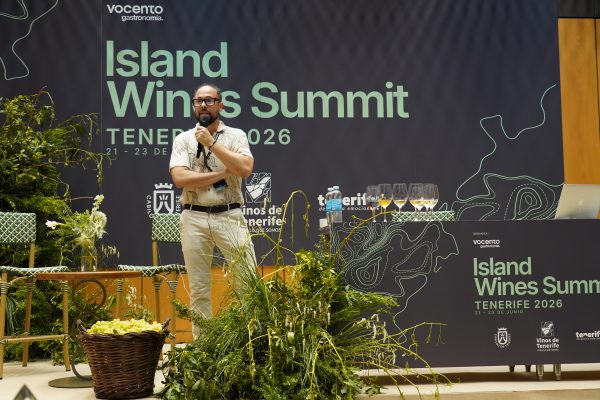
June saw one such moment, when months of preparation culminated in the inaugural Island Wines Summit in Tenerife.
I was part of the team involved in planning the content, and I’m really proud of the voices that we brought together to speak on wide-ranging topics such as volcanism, minerality and insularity.
Particularly inspiring was the opening tasting hosted by Josep Roca. As I said in my introductory speech, it is rare to find people who are kind and generous, as well as intelligent, but Josep embodies all three qualities like no one else.
His presentation followed the journey of vines around the world, calling us to change from a patriarchal view of the world to a matriarchal one, respecting Mother Earth as we confront climate change, as well as standing strong to defend the cultural importance of wine in the face of those who are against the consumption of alcohol in all forms.
A hard act to follow, but there’s no denying that he set a strong bedrock for my presentation on Monday entitled “Insularity as Agricultural Identity.”
I purposely wore a t-shirt featuring a can of Campbell’s soup. Like the wines that fill the shelves of supermarkets all over the world, it’s a homogeneous product.
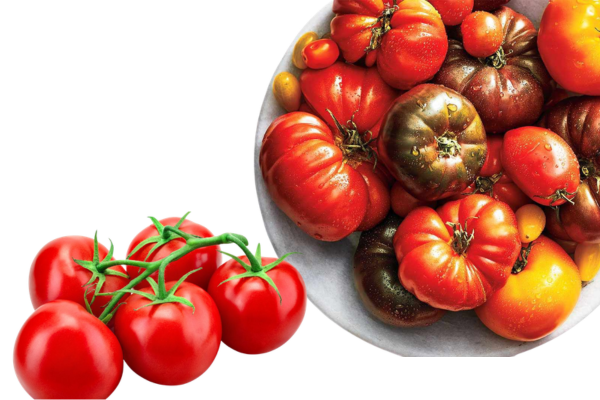
But the wines I want to make, the wines that inspire me, are more like the tomatoes grown by the old people in my village of Alpartir in Aragón.
Unique. Imperfect. Profoundly delicious.
The kind of tomato that stops you in your tracks. Utterly unlike the perfect, round red orbs that you find in the supermarket.
Islands are unique by their very nature. In Tenerife, you can find grape varieties that aren’t found anywhere else on the planet. Types of potatoes that reached the Canaries before the mainland on their journey from the Americas. And human ingenuity that brought the two together, braiding vines in the cordon trenzado system so that potatoes could be planted underneath.
“Islands have been isolated for years. Perhaps that is why they have conserved some of the most authentic expressions of agriculture in the world. The challenge is recognising their value.”
We look at wine from the point of view of the glass, but we have to remember that the grapes that go into it are an agricultural product and the people that grow them need to earn a living.
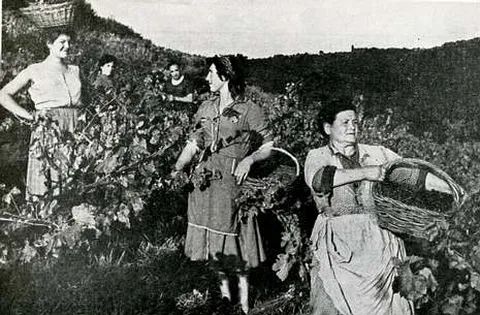
Wine used to be kept within the family, each family growing their own produce and making their own wine. But industry changed everything. People no longer had time to tend to their vineyards.
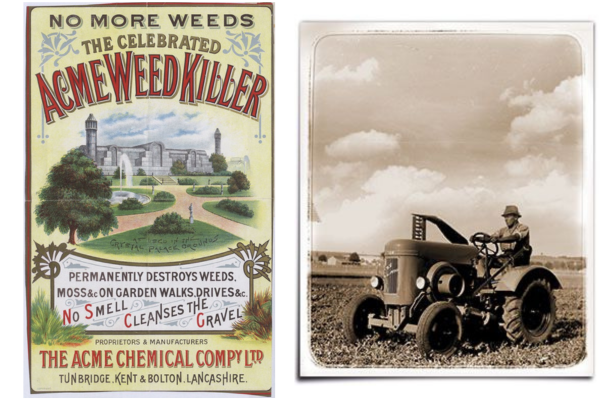
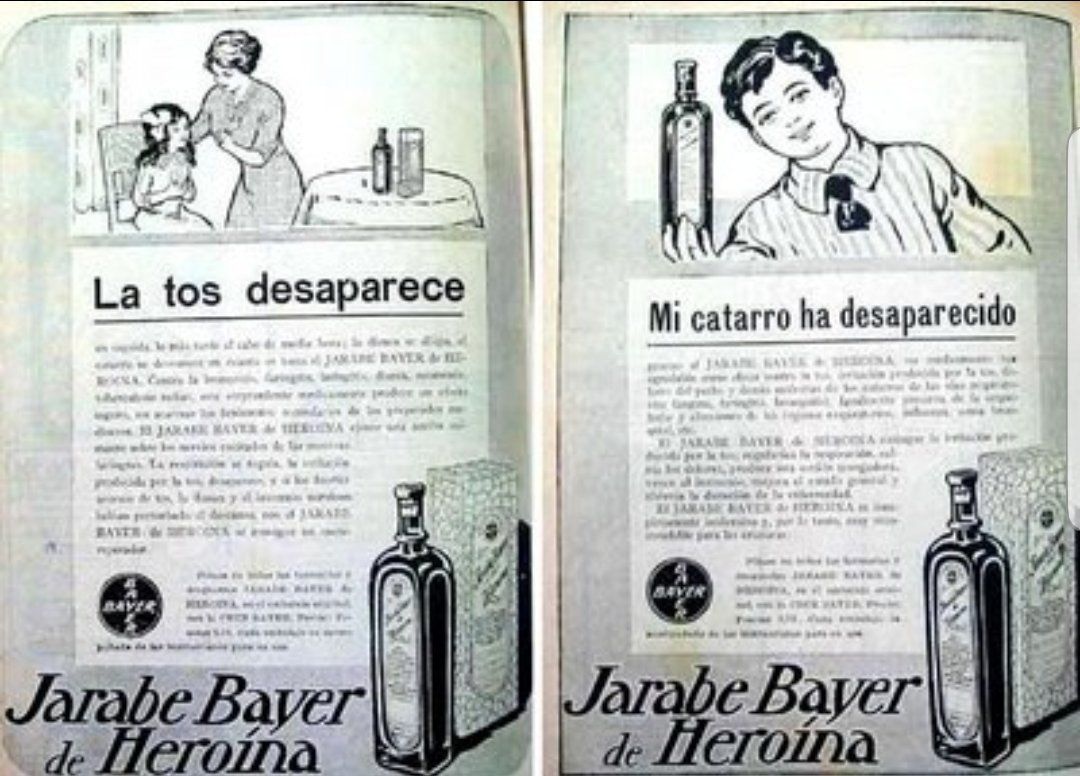
They sold us products like weedkiller to make things “easier”, tractors and drones to fumigate, but we are what we eat and these products damage both our health and that of the planet. It’s like using heroin to cure a sore throat.
And they’ve caused us to lose contact with the countryside. The old vines that I work with have often been in the same family for generations. They are not abandoned because no one cares about them. They are abandoned because the hard work of caring for them doesn’t pay. In fact, the growers of low yielding old plots often end up losing money year after year.
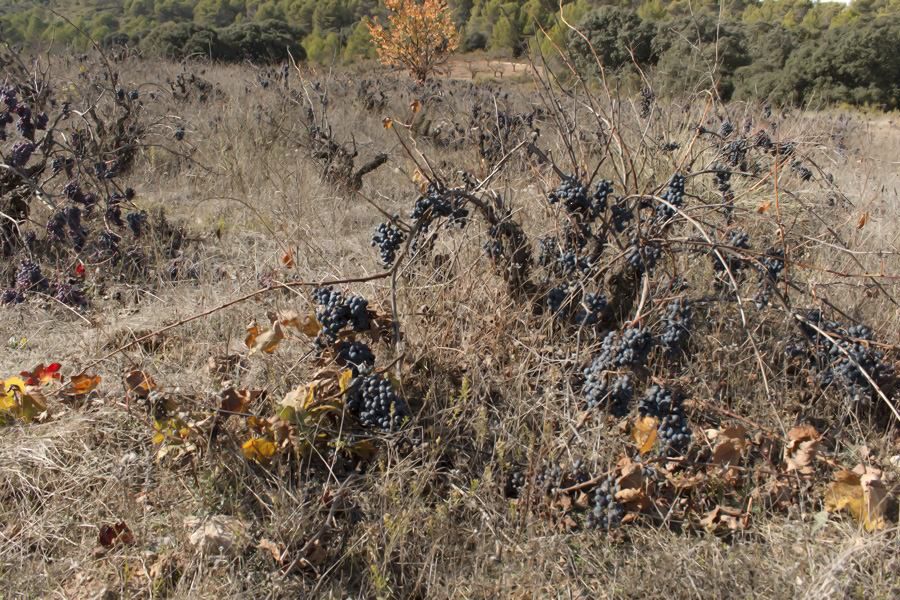
Aragón may not be an Island, but the mountain ranges of Northern Spain mean that vineyards just a few kilometres apart from each other can be very different. In our mountain vineyards we work with precambrian slates and quartzites, Triassic limestones, sandstones, marls. The grape varieties we work with are similarly diverse: Garnacha tinta, Garnacha Peluda, Macabeo, Cariñena, Garnacha Blanca, Robal, Mazuela, Provechón, Cribatinaja… and many more we have not yet been able to identify.
It would be much easier to work with one variety. To replant with higher yielding young clones in the valleys. Irrigate. Use herbicides and pesticides. Sell cheap, homogenous wines like Campbell’s Soup.
But I don’t see any value in that. The easy path is never the most rewarding. And if we go down that path then unique viticultural systems like the cordon trenzado system in Tenerife, or the stone walls of Azores will be lost forever.
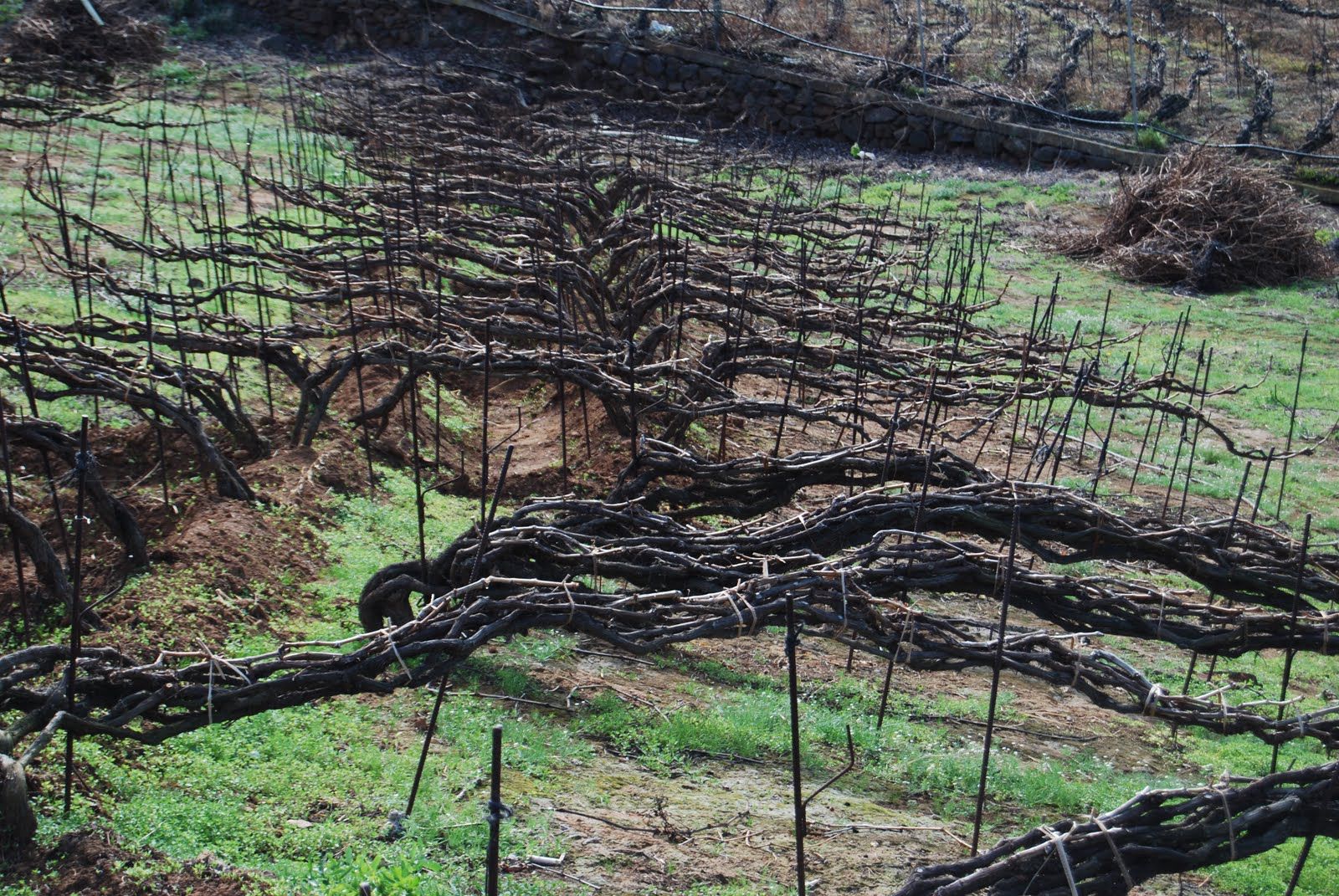
When the people who know how to prune mountain vineyards by hand or train vines to withstand the trade winds die without passing on their skills to the next generation, these unique landscapes will be lost forever.
To save them we must learn to reevaluate the local, the artisanal, the unique in a globalised world.
It’s starting to happen. You can now find wines from Tenerife sold for £29 a glass in Noble Rot in London. Perfect 100-point scores.
But more needs to be done: to value rural culture, reconnect the countryside and the city, and develop rural tourism.
“And I believe there is no better wine tourism than a bottle of wine. It contains one person’s interpretation of a piece of land, the weather of one particular year and the effects of the passage of time.”
That is my message in a bottle.